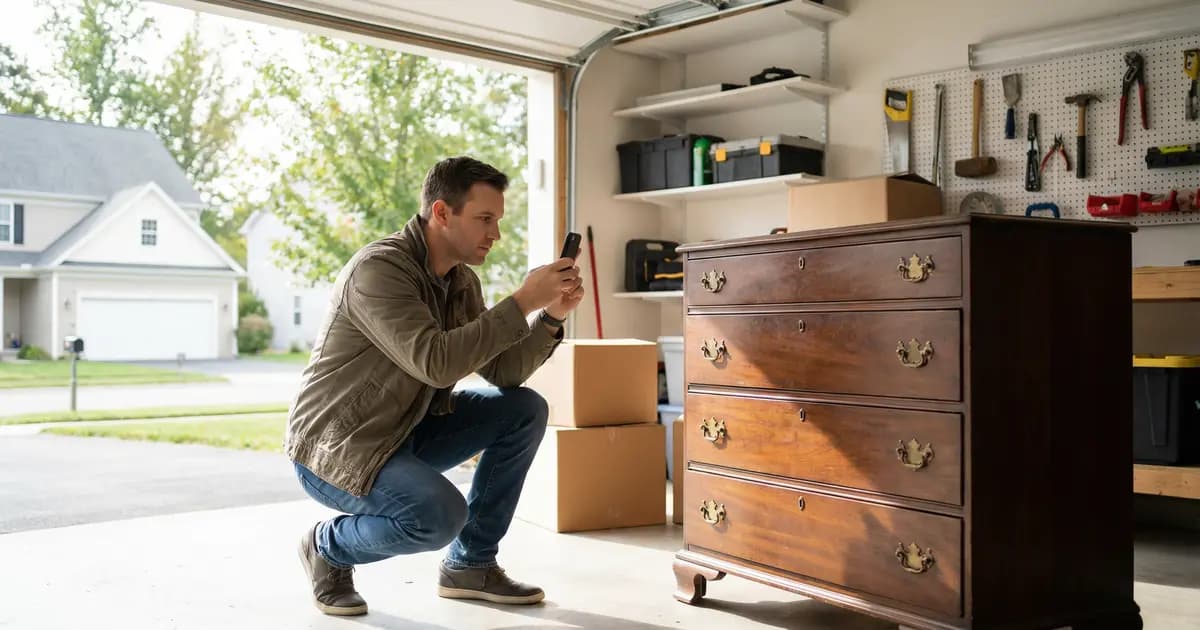

The single most important rule for pricing used items: research what similar items actually sold for, not what sellers are asking.
Asking prices are wishful thinking. Sold prices reflect what buyers actually pay. Most casual sellers overprice due to emotional attachment and watch items sit for weeks—or underprice valuable items and leave money on the table.
This guide provides the research methods, pricing psychology, and category-specific knowledge to price everything from smartphones to sofas accurately.
The 50/30/10 Rule
Start with this universal framework:
| Condition | Price vs. Retail |
|---|---|
| Like-new | 50% of retail |
| Gently used | 30% of retail |
| Well-worn | 10% of retail |
From there:
- Add 20-30% negotiation room to your target price
- Factor in platform fees (10-20% depending on marketplace)
- Adjust for brand, seasonality, and local demand
How to Research Market Value
Before listing anything, spend 10-15 minutes researching actual sold prices from the past 30-90 days.
eBay Sold Listings
- Search for your item
- Filter by "Sold Items" in the left sidebar
- Sold listings appear in green with real transaction prices
Pro tip: Terapeak (free through eBay's Seller Hub) provides up to 365 days of sales history and reveals the actual accepted price on "Best Offer" transactions—not just the listing price.
Other Platforms
- Poshmark: Filter by "Availability" → "Sold"
- Mercari: Shows items "Sold in the last 10 minutes" on homepage; filter search results by sold status
- Facebook Marketplace: Look for "Pending" markers; ask in local buy/sell groups about typical prices
The Golden Rule
Examine 5-10 comparable sales minimum to establish an accurate price range. Don't cherry-pick the highest sale—calculate a realistic average.
Match conditions carefully: "Like New" and "Good Used Condition" occupy different price universes entirely.
For Rare or Unusual Items
- Broaden search terms across multiple platforms (eBay, Etsy vintage, LiveAuctioneers, 1stDibs)
- Use Google Lens to identify mystery items
- For items potentially worth $500+, consider professional appraisal through ValueMyStuff ($10/item) or WorthPoint ($19.99+/month)
Pricing Psychology That Works
Charm Pricing
Prices ending in 7 or 9 (like $47 or $19 instead of round numbers) can increase sales by 24-35% according to MIT research. The "left-digit effect" causes buyers to round down—$19.99 feels significantly cheaper than $20.00.
Strategy:
- Price just below key thresholds to appear in more search results
- List at $49 rather than $52 to show up in "$50 and under" filters
- Use specific prices ($37, $47) for everyday items
- Switch to round numbers ($50, $100) for premium or luxury items
Anchoring
Include the original retail price in your listing:
"Originally $199 at Target, selling for $65—excellent condition"
This creates a mental reference that makes your price feel like a deal. Research shows anchoring can increase perceived value by 32%.
Firm vs. OBO
"Best Offer" (OBO):
- Signals flexibility
- Invites engagement
- Useful when you want to sell faster
"Price Firm":
- Conveys confidence
- Reduces back-and-forth
- May deter haggle-expecting buyers
Hybrid approach: Enable "Best Offer" but set automatic decline thresholds—auto-reject offers below 60-70% of asking.
Building Negotiation Room
Price items 20-30% above your minimum acceptable price.
If you'd accept $100 for an item, list it at $125-130.
What to expect:
- 10-20% discount = standard haggling
- 25-30% off = upper reasonable range
- Below 50% = lowball offer
Handling Lowball Offers
If your item is listed at $400, don't entertain $75-100 offers—but $275-299 may be reasonable depending on how long it's been listed.
Save time: Configure auto-decline floors to reject anything below your true minimum automatically.
The "Price to Sell Fast" Strategy
Different approach for casual sellers prioritizing speed over maximum dollars:
- Price at or slightly below the lowest comparable sold prices
- Require immediate payment
- Skip the Best Offer option
The time spent negotiating ten $5 differences rarely justifies the effort.
Condition Grading
Accurate condition assessment prevents disputes and ensures fair pricing.
| Abbreviation | Meaning | Price vs. Like-New |
|---|---|---|
| NWT | New With Tags | Premium (closest to retail) |
| NWOT | New Without Tags | Slightly below NWT |
| EUC | Excellent Used Condition | 80-90% |
| VGUC | Very Good Used Condition | 60-70% |
| GUC | Good Used Condition | 40-50% |
| Fair | Heavy wear, flaws | Lowest prices |
Reality check: Condition can create a 10x price difference for the same item. A mint-condition vintage band t-shirt might sell for $80; the same shirt with holes and fading fetches $8.
Be ruthlessly honest about flaws. Hiding defects leads to returns, negative feedback, and wasted time.
Electronics: The Fastest Depreciation
Smartphones
iPhones retain value best:
- 20-25% loss in first year
- 15-20% annually after that
- 40-50% of value after two years
Samsung Galaxy phones depreciate much faster:
- 65% loss after 12 months
- 77-79% loss after 24 months
Budget Android phones can lose up to 95% over four years.
Critical: Sell immediately after upgrading. Phones lose approximately 12% of value in the first month after a new model releases. Waiting 10 months costs ~33% additional value.
Before selling:
- Verify IMEI isn't blacklisted (check at IMEI.info)
- Disable Find My iPhone
- Confirm carrier-unlocked status (commands higher prices)
Laptops
20-30% annual depreciation. A three-year-old laptop is worth 40-60% of original price at best; beyond five years, they're difficult to sell.
Value hierarchy:
- Apple MacBooks (retain value best)
- Dell XPS
- Lenovo ThinkPad
- Gaming laptops (Razer, Alienware, ASUS ROG)
What matters: Processor generation, RAM (16GB+ preferred), SSD storage.
Gaming Consoles
Hold value better than most electronics. PlayStation generally outperforms Xbox.
Retro consoles have become collectible:
- Factory-sealed Super Nintendo: Sold for $66,000
- N64: $35-70
- Original PlayStation: $15-35
Selling electronics? SellyGenie generates accurate, spec-rich descriptions from your photos—including model numbers and condition details buyers need.
Clothing: Brand Tier Matters
| Brand Tier | Examples | Typical Resale |
|---|---|---|
| Luxury | Chanel, Hermès, Louis Vuitton | 70-90%+ (some appreciate) |
| Premium Contemporary | Lululemon, Patagonia, North Face, Coach | 40-60% |
| Mid-tier | J.Crew, Banana Republic, Zara | 25-40% |
| Fast Fashion | Shein, H&M, Forever 21 | Under $5 (often not worth listing) |
Note: ThredUp has actually excluded brands like Shein, Old Navy, and Missguided from seller payouts because resale margins are too thin. Unless fast fashion items are new with tags, consider donating.
Vintage Clothing
Different rules apply:
- Era alignment with current trends matters—90s and Y2K styles command premiums now
- Pre-1980s items are scarce
- Pre-1920s pieces are genuinely rare and attract collectors
Research thoroughly on eBay, Etsy, and Vestiaire Collective before pricing vintage.
Timing for Clothing
List 1-2 months before the season:
- Winter coats: September-October
- Swimsuits: April-May
- Prom dresses: February-April
- Halloween costumes: 2-4 weeks before October 31
Selling winter clothes in January means competing with massive retail clearance discounts.
Furniture: Immediate Depreciation
Furniture loses 30-50% of value immediately upon purchase, then approximately 5-7% annually.
After 9-10 years in good condition, expect 25-33% of original price.
What Holds Value
- Solid wood (teak, walnut, oak, mahogany) depreciates more slowly than particle board
- Mid-century modern from designers like Eames, George Nelson, Hans Wegner
- Premium brands: Herman Miller, Knoll, Stickley, Steelcase
IKEA Reality
Typically commands much less than retail, with one exception: in college towns 100+ miles from the nearest IKEA, pieces can sell for 60-75% of retail.
Always include the full IKEA product name (like "HEMNES 3-drawer dresser") in listings.
Fun fact: Vintage IKEA from the 1960s-1990s has become collectible—certain discontinued pieces now sell for hundreds or thousands.
Timing and Delivery
- September is peak moving season = high demand
- Offering delivery can add 5-10% to your price
- Pickup-only for large items means pricing lower
Kids' Items: Safety First
Car Seats
Extreme caution required:
- Expire 6-10 years after manufacture (check label)
- Never sell if involved in any accident
- Check recalls at CPSC.gov before selling
Many safety experts advise against buying used car seats entirely.
Strollers
Only sell if manufactured after September 10, 2015 (federal safety standards).
Premium brands (UPPAbaby, Bugaboo, Stokke) retain 50-70% of value in excellent condition.
Children's Clothing
Low resale value due to oversupply—kids outgrow clothes quickly.
Exceptions:
- Mini Boden: averages 56% of retail
- Hanna Andersson: 52%
- Boutique brands (Quincy Mae, Rylee+Cru): 60%+ or even above retail for sold-out prints
Mainstream brands (Carter's, Cat & Jack) typically sell for $3-$8 maximum.
LEGO
The standout category. Exceptional value retention, especially for retired sets. Star Wars LEGO dominates the secondary market.
Complete sets with all pieces command premiums over incomplete ones.
Tools, Appliances & Sports Gear
Power Tools
Premium brands retain value well:
- Milwaukee, DeWalt, Makita: 50-70% in good condition
- Ryobi and budget brands: Depreciate faster
Battery compatibility matters—tools in popular ecosystems (Milwaukee M18, DeWalt 20V MAX) command premiums.
Large Appliances
Depreciate approximately 7-12% annually.
Formula: Fair Price = (Years of Life Remaining ÷ Total Expected Lifespan) × Original Price
A refrigerator with a 15-year lifespan that's 5 years old = ~67% of original price in good condition.
Appliances over 7-10 years old become difficult to sell.
Fitness Equipment
Typically sells for 50-60% off original retail.
Best time to sell: October-December (New Year's resolution buyers)
Worst time: March-May (resolution abandonment floods market with barely-used equipment)
Books & Media
Textbooks
Gold standard of book resale. Check BookScouter.com to compare 30+ buyback prices.
Peak demand: January and August (semester start)
DVDs and CDs
Market has largely collapsed—sales fell 23.4% year-over-year in 2024. Common discs sell for $1-5 if at all.
Exceptions:
- Limited edition releases
- Complete TV series box sets
- Out-of-print titles unavailable on streaming
- Criterion Collection releases
- 4K UHD Blu-rays
Video Games
Common titles lose 50-80% in first year. But collectible retro games can appreciate dramatically.
- Factory-sealed = 2x+ opened copies
- Nintendo franchises consistently hold value
- Games 15-20 years old have hit "retro collector" status
Vinyl Records
Condition accounts for 50% of value—warped or scratched records are worthless regardless of rarity.
The other 50% depends on pressing variant, artist significance, and scarcity.
Reality: Million-sellers like Michael Jackson's "Thriller" fetch ~$10 even in clean condition. Use Discogs for free pricing research with real sales data.
Factor in Platform Fees
Every marketplace takes a cut:
| Platform | Fee |
|---|---|
| eBay | ~13.25% + $0.30/transaction |
| Poshmark | 20% (or $2.95 under $15) |
| Mercari | ~10% + payment processing |
| Facebook Marketplace (local) | Free |
| Facebook Marketplace (shipped) | 10% |
Calculate your true minimum before listing.
If you need to net $50 after eBay with $10 shipping: ($50 + $10) × 1.15 + $0.30 ≈ $69 minimum list price
Listing on multiple platforms? SellyGenie generates descriptions optimized for each marketplace, helping you factor fees into your pricing strategy.
Red Flags: How to Know You've Mispriced
Signs of Overpricing
- No views or very few views
- Views but no inquiries or offers
- Only lowball offers at 50%+ below asking
- Identical items selling at significantly lower prices
Solution: Reduce price by 5-10% after two weeks of no interest.
Signs of Underpricing
- Instant sale within hours
- Multiple immediate messages
- Buyer asks no questions and pays immediately
- Buyer relists your item at significantly higher price
As one experienced reseller says: "If it sold FAST, it was priced too low."
Price Reduction Timing
- Evaluate after two weeks
- After 30 days with no sale, reduce by 10-15%
- Make reductions on Thursday to appear in weekend alert emails
- Avoid multiple small reductions (signals desperation)
Useful Pricing Tools
| Category | Tool |
|---|---|
| General | eBay Sold Listings, Terapeak (free) |
| Books | BookScouter (compares 30+ vendors) |
| Video Games & Cards | PriceCharting (free, includes app) |
| Antiques | WorthPoint ($19.99+/month), LiveAuctioneers |
| Vinyl | Discogs (free, real sales data) |
| Furniture | Splitwise Furniture Calculator |
| Item ID | Google Lens (free) |
Ready to Price and Sell?
Successful pricing combines research discipline with psychological awareness:
- Research actual sold prices—not asking prices
- Apply the 50/30/10 rule as baseline
- Adjust for brand tier, condition, and seasonality
- Build 20-30% negotiation room
- Factor in platform fees
The biggest mistake? Pricing based on what you paid or emotional attachment. The market doesn't care about your memories—it cares about supply, demand, condition, and timing.
Skip the guesswork on descriptions. SellyGenie generates professional listings from your photos in seconds, letting you focus on pricing strategy.
Frequently Asked Questions
How do I find out what my used items are worth?
Search for identical or similar items on eBay and filter by "Sold Items" to see actual transaction prices from the past 90 days. Check at least 5-10 comparable sales to establish an accurate range. Match condition carefully—a "like new" item and "good used condition" item have very different values.
What percentage of retail should I price used items?
As a baseline: like-new items at 50% of retail, gently used at 30%, and well-worn at 10%. Then adjust for brand (premium brands hold value better), seasonality, and local demand. Add 20-30% to your minimum acceptable price to leave negotiation room.
Why isn't my item selling?
If you're getting no views, the price may be too high for search algorithms to show your listing. If you're getting views but no offers, your price is likely above market value. Check recently sold comparable items and reduce by 5-10%. Also consider whether your photos and description are compelling enough.
Should I price firm or accept offers?
It depends on your priority. "Best Offer" sells faster by inviting engagement. "Price Firm" reduces back-and-forth but may deter bargain-hunting buyers. A hybrid approach works well: enable Best Offer but set auto-decline floors to reject offers below your true minimum.
How much do electronics depreciate?
iPhones lose about 20-25% in the first year, then 15-20% annually. Samsung phones lose 65% after 12 months. Laptops depreciate 20-30% annually. The key is selling quickly—phones lose about 12% of value in the first month after a new model releases.