
The US resale market has hit an inflection point. 58% of American consumers now shop secondhand, and nearly half of younger buyers check resale platforms before retail stores. With the online secondhand market projected to reach $40 billion by 2029, there's never been a better time to turn unwanted items into cash.
But with dozens of selling apps available, choosing the right platform can mean the difference between a quick sale and items sitting for months. This guide breaks down every major selling app, their 2026 fees, and which platform matches your selling style.
The Big Five: General-Purpose Marketplaces
These platforms accept almost anything you want to sell—from furniture to electronics to clothing.
Facebook Marketplace
Best for: Local sales, furniture, household items, zero-fee transactions
Facebook Marketplace dominates with over 1 billion monthly active users globally. More than half of all social media purchases happen here.
Fee structure:
- Local pickup sales: Free (no fees at all)
- Shipped items: 10% (minimum $0.80)
Pros:
- Massive built-in audience through your Facebook network
- Zero fees on local pickup sales
- Easy communication through Messenger
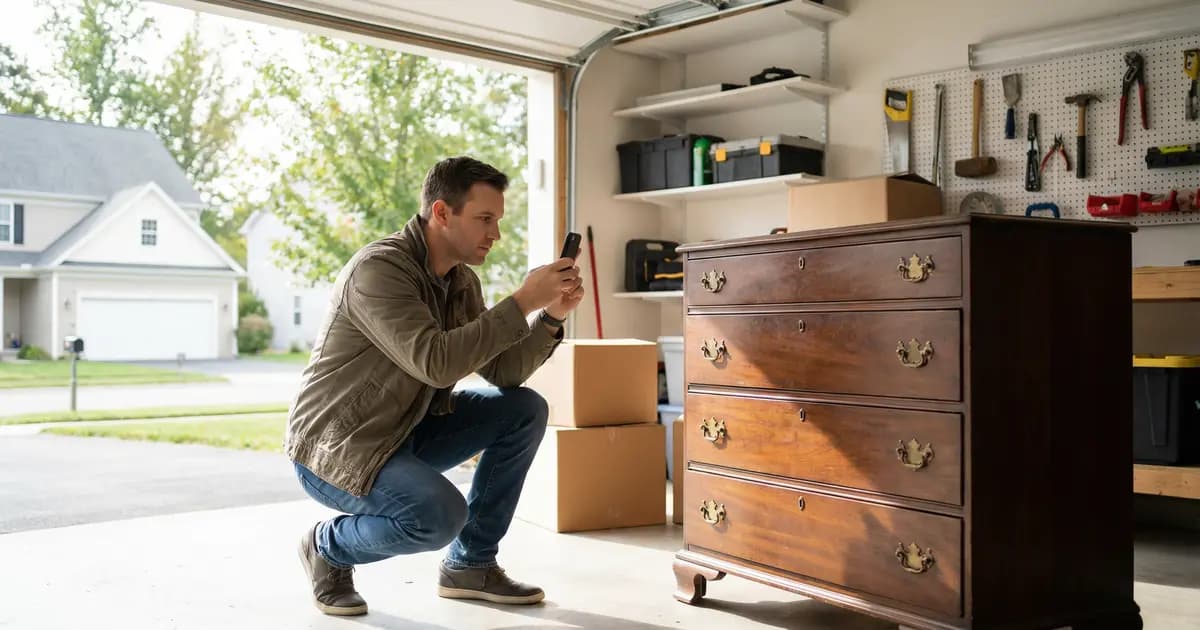
- Great for bulky items like furniture
Cons:
- No buyer protection on local cash transactions
- 1 in 6 users report encountering suspicious listings
- Must manage your own meetups and safety
Pro tip: For local sales, always meet in public places during daylight. Many police stations now offer designated "Safe Trade Zones" with 24-hour surveillance.
eBay
Best for: Electronics, collectibles, items with nationwide appeal, auction sales
eBay remains the powerhouse for serious sellers, with 134 million active buyers worldwide and the broadest category reach.
Fee structure:
- Final value fees: 13.25-13.6% for most categories (plus $0.30-$0.40 per order)
- Electronics: Lower 8-11% rates
- Free listings: 250 per month
Pros:
- Largest reach for specialty items
- Strong Money Back Guarantee (up to $100,000)
- Fastest payouts—typically within 2 business days
- Auction format can drive prices up on rare items
Cons:
- Higher fees than most competitors
- More complex listing process
- Competition from professional sellers
2026 update: eBay now offers automatic positive feedback and shortened claims windows for "as-is" items, protecting sellers of used goods.
Mercari
Best for: General merchandise, shipping-focused sellers, beginners who want predictability
Mercari simplified its fees significantly in 2025, making it one of the most straightforward platforms.
Fee structure:
- Selling fee: Flat 10%
- No payment processing fee for sellers (buyers pay 3.6%)
Pros:
- Simple, predictable fee structure
- Prepaid shipping labels included
- $200 shipping protection
- 23 million US active users
Cons:
- Shipped items only—no local pickup option
- Payouts take 5-7 business days (or 30 minutes for $3 with Instant Pay)
- Smaller audience than Facebook or eBay
OfferUp
Best for: Local sales in California and Texas, bulky items, safety-conscious sellers
OfferUp carved out its niche with a strong focus on local transactions and seller safety.
Fee structure:
- Local cash sales: Free
- Shipped items: 12.9% (minimum $1.99)
Standout feature: OfferUp operates 2,000+ Community MeetUp Spots—police stations and retail locations with 24-hour video surveillance. This addresses the biggest concern with local marketplace sales.
TruYou verification badges help establish seller credibility, showing buyers you've verified your identity.
Craigslist
Best for: Fee-free sales, furniture, vehicles, self-sufficient sellers
The original classifieds platform still draws ~190 million monthly US visitors despite its deliberately basic interface.
Fee structure:
- Most categories: Completely free
- Vehicles: $5
Pros:
- Zero fees, zero commission
- Huge traffic
- No account required
Cons:
- No buyer or seller protection whatsoever
- No ratings or reviews
- No payment processing
- Higher scam risk
Fashion Resale Apps: Pick Your Price Point
The clothing resale market is fragmented, with platforms targeting specific demographics and price levels.
Poshmark
Best for: Women's fashion, social sellers, brands like Nike and Lululemon
Poshmark leads social selling with 80+ million registered users and a community-driven approach featuring "Posh Parties"—themed virtual shopping events.
Fee structure:
- Sales under $15: $2.95 flat fee
- Sales $15+: 20% commission
Target audience: 71% female, primarily ages 18-34. Nike, Lululemon, and contemporary mall brands sell best.
Unique features:
- Smart Sell AI generates titles, descriptions, and tags automatically
- Prepaid USPS Priority Mail labels (~$8.27 for up to 5 lbs)
- Strong community engagement drives sales
Writing descriptions for multiple clothing items? SellyGenie can generate professional, platform-optimized descriptions from your photos in seconds—saving hours of typing.
Depop
Best for: Vintage, Y2K fashion, streetwear, Gen Z sellers
Depop made headlines by eliminating its 10% selling fee entirely for US and UK sellers in July 2024—the most dramatic fee change in resale history.
Fee structure:
- Selling fee: 0%
- Payment processing: 3.3% + $0.45
- Boosted listings: 8% (if sold through boost)
Audience: 90% of users are under age 26. The Instagram-like interface favors curated, aesthetic presentations.
Best for selling: One-of-a-kind pieces, vintage finds, and items with strong visual appeal.
ThredUp
Best for: Convenience over profit, mid-to-high-end brands, declutterers
ThredUp operates differently—it's managed consignment. You ship items, and ThredUp handles everything: photography, pricing, listing, shipping.
Fee structure:
- Clean Out Kit service fees: $14.99-$34.99 per kit
- Payouts: 5-80% depending on item price (luxury items pay more)
Tradeoffs:
- Maximum convenience—minimal time investment
- Lower payouts than self-listing
- Long processing times
- Less control over pricing
Luxury Resale: The RealReal & Vestiaire Collective
For designer items requiring authentication:
The RealReal:
- 40+ million members
- Commission: 20-70% (higher-value items earn better percentages)
- Hundreds of authenticators including gemologists and horologists
- Free in-home pickup in 21+ cities
Vestiaire Collective:
- 35+ million users across 150 countries
- Selling fee: 12% (plus 3% payment processing)
- Optional physical authentication for $15
- Strong for European luxury brands
Specialized Platforms by Category
Electronics: Where to Sell Phones, Laptops, and Gadgets
Swappa stands out for used tech with a verification-first approach:
- Every listing is staff-reviewed before going live
- Free IMEI/ESN checks prevent stolen devices
- Fees: Only 3% seller + 3% buyer (vs eBay's 12.55%+)
- Payment arrives before shipping for seller protection
Gazelle and Back Market trade-in offer buyout models:
- Get a quoted price instantly
- Ship your device and receive payment
- Lower returns than marketplace selling, but zero hassle
Note: Decluttr closed in June 2025 and is no longer operational.
Furniture and Home Goods
For furniture, your choice depends on item value:
Local platforms (free fees): Facebook Marketplace, OfferUp, Craigslist
- Best for everyday furniture
- Avoid shipping costs on heavy items
Managed consignment:
- Chairish: 20-40% commission, curated vintage/antique furniture
- AptDeco: 25-38% commission, full-service with pickup and delivery
- 1stDibs: 15-30% commission, professional dealers only
Books, Media, and Collectibles
Amazon Trade-In: Easiest path for Amazon devices, pays in gift cards
Discogs: The vinyl collector's platform with 17+ million releases in its database (9% selling fee)
eBay Vault: Secure storage for high-value trading cards with instant trading
Vehicles
Quick sale (lower price): Carvana or CarMax offer same-day quotes and pickup, typically 5-15% below private sale value
Maximum value: Facebook Marketplace (free) or Bring a Trailer for enthusiast vehicles (average sale ~$54,000)
Fee Comparison at a Glance
Here's what each platform actually costs on a $50 sale:
| Platform | Selling Fee | Your Take on $50 Sale |
|---|---|---|
| Facebook Marketplace (local) | 0% | $50.00 |
| Craigslist | 0% | $50.00 |
| OfferUp (local) | 0% | $50.00 |
| Depop (US) | 0% + 3.3% processing | $47.90 |
| Mercari | 10% | $45.00 |
| Facebook Marketplace (shipped) | 10% | $45.00 |
| eBay | ~13.5% | $43.25 |
| OfferUp (shipped) | 12.9% | $43.55 |
| Poshmark | 20% | $40.00 |
Key insight: Local sales on Facebook Marketplace and OfferUp are completely free. For shipped items, Depop's fee elimination makes it the cost leader for fashion.
Strategies That Actually Work
Photography Is Everything
Research consistently shows photography quality is the single biggest factor in selling success:
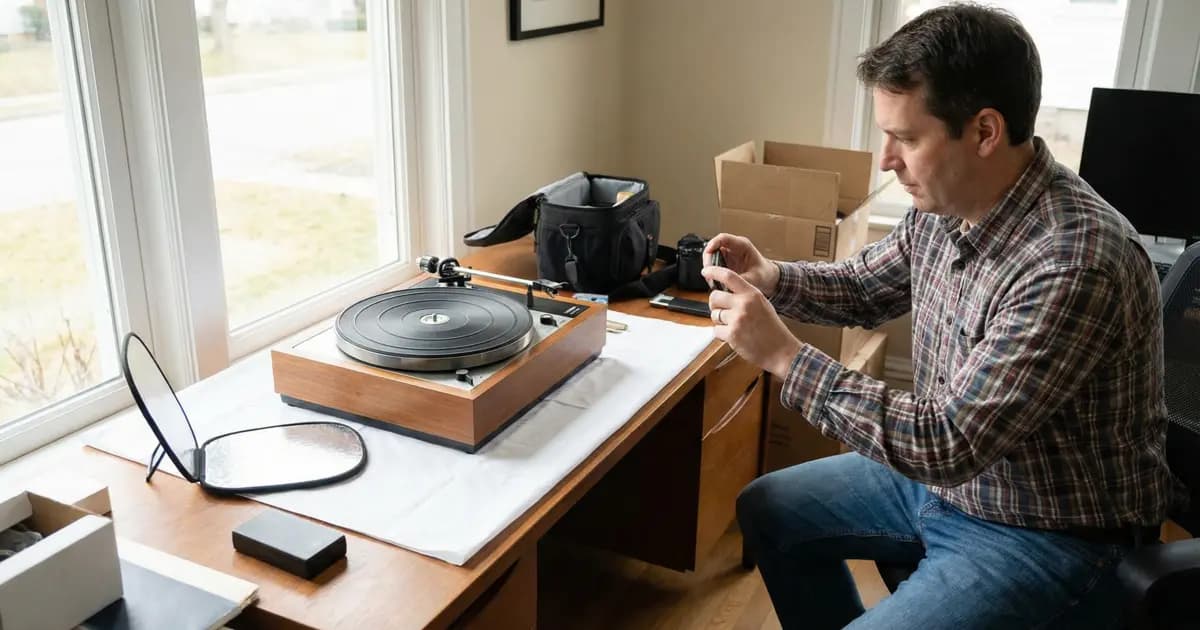
- Use natural lighting near windows—avoid flash
- White or neutral backgrounds keep focus on items
- Use all available photo slots (eBay allows 24 images)
- Always photograph flaws honestly to prevent disputes
Price Based on Data, Not Feelings
- Filter eBay and other platforms by "sold" listings to see actual transaction prices
- General formula: 25-40% of original retail for used items in good condition
- Build in a 30% negotiation buffer if you expect offers
- Drop 10% after 30 days of no activity
Cross-List for Maximum Exposure
Multi-platform sellers report 2-3x more sales than single-platform sellers. Tools like Vendoo, List Perfectly, and Crosslist enable simultaneous posting.
Listing the same item across multiple platforms? SellyGenie generates descriptions optimized for each marketplace—just upload your photos once and get platform-ready listings in seconds.
Timing Your Listings
- Sunday is peak browsing day
- Thursday is strong as buyers plan weekend pickups
- 6-10 PM sees highest activity
- List seasonal items 1-2 months early (winter gear in August, swimwear in March)
Safety for Local Meetups
Never compromise on safety when meeting buyers in person:
- Use designated Safe Trade Zones at police stations (find them at SafeTradeSpots.com)
- OfferUp's 2,000+ Community MeetUp Spots offer video surveillance
- Meet in bank lobbies or busy retail parking lots during business hours
- Never meet at your home
- Bring someone for high-value transactions
- Accept only cash or verified in-app payments—never gift cards, wire transfers, or unverified payment apps
Watch for these scams:
- Overpayment scams (buyer sends too much, asks for refund before original payment bounces)
- Google Voice verification scams
- "I'll send a courier" schemes
2026 Tax Update: What Sellers Need to Know
Good news for casual sellers: The "One Big Beautiful Bill Act" (July 2025) reverted the 1099-K threshold to $20,000 and 200+ transactions, eliminating the controversial $600 threshold.
However:
- Eight states (including Maryland, Massachusetts, and Virginia) maintain lower $600 thresholds
- All taxable income must still be reported regardless of 1099-K receipt
- Keep records of your original purchase prices to calculate actual profit
Which App Should You Use?
For quick local sales with zero fees: Facebook Marketplace and OfferUp. Accept cash, meet safely, and pay nothing.
For the widest audience: eBay. Higher fees buy access to 134 million serious buyers and strong protections.
For fashion:
- Everyday clothing: Mercari, Facebook Marketplace
- Trendy/vintage: Depop (0% seller fees, Gen Z audience)
- Designer: Poshmark, The RealReal, Vestiaire Collective
For maximum convenience: ThredUp or Gazelle. Ship items and walk away—lower payouts but minimal time investment.
For high-volume selling: eBay store subscriptions plus cross-listing tools. Track true costs per sale to identify which platforms yield actual profit.
Ready to Sell Smarter?
The most successful sellers in 2026 treat resale as a multi-channel operation—listing items where the right buyers congregate rather than defaulting to a single platform.
With 58% of Americans now shopping secondhand and economic pressures accelerating this trend, the opportunity to convert unwanted items into meaningful cash has never been better.
Start with great photos and compelling descriptions. That's where SellyGenie comes in—upload your photos, and our AI generates professional, marketplace-optimized listings in seconds. No more staring at blank description boxes.
Frequently Asked Questions
What is the best app to sell stuff locally?
Facebook Marketplace and OfferUp are the best apps for local sales. Both charge zero fees on pickup transactions. Facebook has the larger audience (1 billion+ users), while OfferUp offers 2,000+ designated safe meetup locations with video surveillance.
Which selling app has the lowest fees?
For shipped items, Depop now has the lowest fees at just 3.3% + $0.45 payment processing (they eliminated their 10% selling fee in 2024). For local sales, Facebook Marketplace, OfferUp, and Craigslist are completely free.
Is Poshmark or Mercari better for selling clothes?
It depends on what you're selling. Poshmark (20% fee) is better for brands like Nike and Lululemon with its social features and engaged community. Mercari (10% fee) offers lower fees and works well for general clothing. For vintage and trendy pieces targeting younger buyers, Depop (0% seller fee) is increasingly the best choice.
Do I need to pay taxes on items I sell online?
Yes, profit from selling items is taxable income. However, the federal 1099-K reporting threshold is now $20,000 and 200+ transactions (as of July 2025). Most casual sellers decluttering personal items at a loss won't owe taxes, but you should keep records of original purchase prices.
What sells best on Facebook Marketplace?
Furniture, household items, electronics, and vehicles sell best on Facebook Marketplace due to the local pickup model. Items that are expensive to ship—like couches, dining tables, and large appliances—perform particularly well since buyers can pick them up the same day.